Magic and logic.

Science describes accurately from outside, poetry describes accurately from inside. Science explicates, poetry implicates. Both celebrate what they describe. We need the languages of both science and poetry to save us from merely stockpiling endless "information" that fails to inform our ignorance or our irresponsibility.

By replacing unfounded, willful opinion, science can increase moral sensitivity; by demonstrating and performing aesthetic order or beauty, poetry can move minds to the sense of fellowship that prevents careless usage and exploitation of our fellow beings, waste and cruelty.

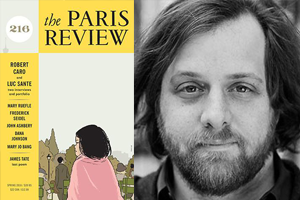
Reasons to Log Off

The girl who said she could never eat a second slice
of pizza my second year of college is doing really well.
My cousin posts a photo of a loaded gun. Have I ever
heard of the Second Amendment? Have I ever heard
of this new recipe? Cauliflower, a hint of lemon, some
chopped-up ginger root. Hey, do you want to lose
weight in only thirty minutes? Hey, can I have just a
moment of your time? Click here to receive a special
invitation. Click here if you want to believe in God.
Tomorrow there’s a Pride walk to support the right to
marry. One comment says: I will pray for your affliction.
Another says: I hope you trip, fall down, and die.
Swipe up to find my new lip filler. Scroll down to read
why these four girls were horribly afraid. Greg is
asking for your number. Greg wants to send a
big surprise.

The loneliness of the LinkedIn user.

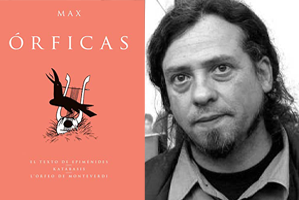
La virtud es un rayo de belleza celestial,
un don del alma, en la que adquiere su valor.
Ésta no teme al ultraje temporal, es más, el hombre alcanza con los años mayor esplendor.
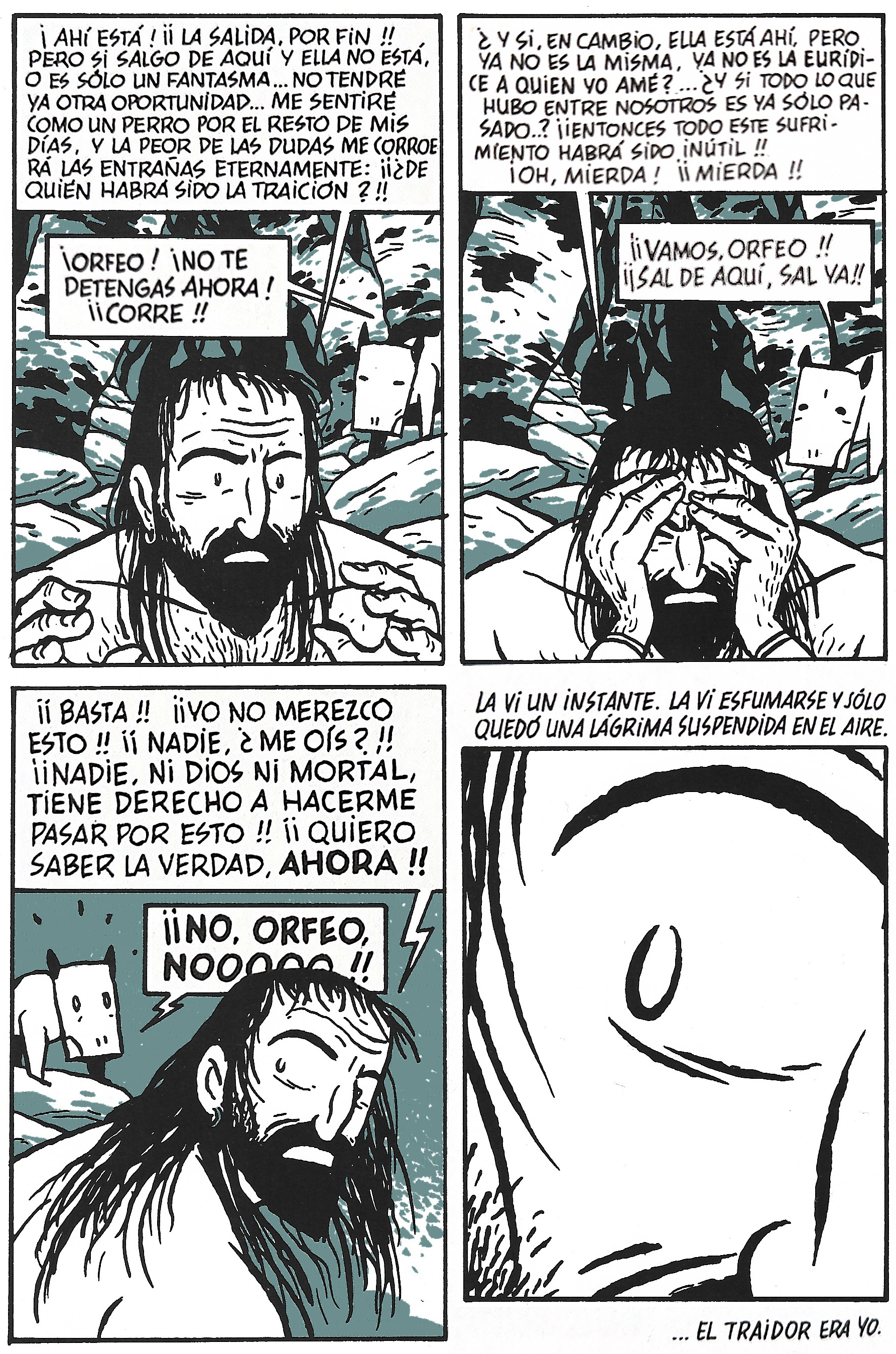
Orfeo venció al infierno y luego fue vencido por sus deseos.
Digno sea de gloria eterna sólo aquel que a sí mismo se venza.

Max (2017) Órficas. Madrid: Nordica.

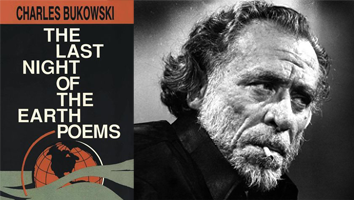
air and light and time and space

“– you know, I’ve either had a family, a job,
something has always been in the
way
but now
I’ve sold my house, I’ve found this
place, a large studio, you should see the space and
the light.
for the first time in my life I’m going to have
a place and the time to
create.”

no baby, if you’re going to create
you’re going to create whether you work
16 hours a day in a coal mine
or
you’re going to create in a small room with 3 children
while you’re on
welfare,
you’re going to create with part of your mind and your
body blown
away,
you’re going to create blind
crippled
demented,
you’re going to create with a cat crawling up your
back while
the whole city trembles in earthquake, bombardment,
flood and fire.

baby, air and light and time and space
have nothing to do with it
and don’t create anything
except maybe a longer life to find
new excuses
for.

This is the story.

This is the Story

This is the beginning. Here is where the story begins. The character is introduced—we meet the character, her, we’ll call her a her. We begin to learn about her background, or if not so much as that, then her habits. We see her doing what she does every day, in medias res. What she does now foreshadows what will happen to her later. She does the same thing every day, and then something changes. It’s not much, but it’s something, and so it is a story.

This is the middle. The thing that happens, the different thing, happens here. She was safe in her assumptions, but this thing occurs, or something occurs to her, a realization, and she can no longer go on thinking what she thought. Perhaps it has to do with him, someone important to her, someone whom perhaps she loves. And yet he is also her antagonist, the one who stands in the way of what must happen for her to be, if not happy, then consummated, fulfilled. This is when we meet him, when we come to understand the obstacle he presents, when we are allowed to wonder how she will, how she can, proceed.

This is the ending. At this point the situation comes to its crisis. Events build to a climax. We have been expecting this: a conflict, and, through its resolution, change. But then something happens that we had not -expected, a surprise, a twist, which nonetheless feels, now that it has happened, -inevitable. They were at odds in a way that had become familiar, and now we learn that their goals are not so far apart, that perhaps what had seemed a conflict is in fact its own resolution.

Finally there is this, something after the ending, after the climax: the result. It is not at all what we expected. Perhaps one of them—him—is left behind in some way by the events that have transpired. He is lost, and she must suffer a kind of grief, as must he, for he is lost but must go on, as she must, too. So the story comes to its conclusion, open to interpretation, and we find that the only way out, for us as well as for them, is this lyrical finale, a few words, a bit of poetry. This last sentence is beautiful, as though beauty is itself the justification, though it isn’t—not quite.

ct.png

Raise your left fist!

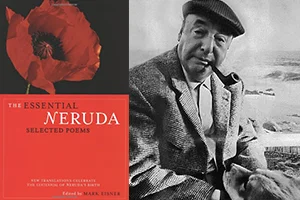
De aquel hombre me acuerdo y no han pasado
sino dos siglos desde que lo vi,
no anduvo ni a caballo ni en carroza:
a puro pie
deshizo
las distancias
y no llevaba espada ni armadura,
sino redes al hombro,
hacha o martillo o pala,
nunca apaleó a ninguno de su especie:
su hazaña fue contra el agua o la tierra,
contra el trigo para que hubiera pan,
contra el árbol gigante para que diera leña,
contra los muros para abrir las puertas,
contra la arena construyendo muros
y contra el mar para hacerlo parir.

Lo conocí y aún no se me borra.

Cayeron en pedazos las carrozas,
la guerra destruyó puertas y muros,
la ciudad fue un puñado de cenizas,
se hicieron polvo todos los vestidos,
y él para mí subsiste,
sobrevive en la arena,
cuando antes parecía
todo imborrable menos él.

En el ir y venir de las familias
a veces fue mi padre o mi pariente
o apenas si era él o si no era
tal vez aquel que no volvió a su casa
porque el agua o la tierra lo tragaron
o lo mató una máquina o un árbol
o fue aquel enlutado carpintero
que iba detrás del ataúd, sin lágrimas,
alguien en fin que no tenía nombre,
que se llamaba metal o madera,
y a quien miraron otros desde arriba
sin ver la hormiga
sino el hormiguero
y que cuando sus pies no se movían,
porque el pobre cansado había muerto,
no vieron nunca que no lo veían:
había ya otros pies en donde estuvo.

Los otros pies eran él mismo,
también las otras manos,
el hombre sucedía:
cuando ya parecía transcurrido
era el mismo de nuevo,
allí estaba otra vez cavando tierra,
cortando tela, pero sin camisa,
allí estaba y no estaba, como entonces,
se había ido y estaba de nuevo,
y como nunca tuvo cementerio,
ni tumba, ni su nombre fue grabado
sobre la piedra que cortó sudando,
nunca sabía nadie que llegaba
y nadie supo cuando se moría,
así es que sólo cuando el pobre pudo
resucitó otra vez sin ser notado.

Era el hombre sin duda, sin herencia,
sin vaca, sin bandera,
y no se distinguía entre los otros,
los otros que eran él,
desde arriba era gris como el subsuelo,
como el cuero era pardo,
era amarillo cosechando trigo,
era negro debajo de la mina,
era color de piedra en el castillo,
en el barco pesquero era color de atún
y color de caballo en la pradera:
cómo podía nadie distinguirlo
si era el inseparable, el elemento,
tierra, carbón o mar vestido de hombre?

Donde vivió crecía
cuanto el hombre tocaba:
la piedra hostil
quebrada
por sus manos,
se convertía en orden
y una a una formaron
la recta claridad del edificio,
hizo el pan con sus manos,
movilizó los trenes,
se poblaron de pueblos las distancias,
otros hombres crecieron,
llegaron las abejas,
y porque el hombre crea y multiplica
la primavera caminó al mercado
entre panaderías y palomas.

El padre de los panes fue olvidado,
él que cortó y anduvo, machacando
y abriendo surcos, acarreando arena,
cuando todo existió ya no existía,
él daba su existencia, eso era todo.
Salió a otra parte a trabajar, y luego
se fue a morir rodando
como piedra del río:
aguas abajo lo llevó la muerte.

Yo, que lo conocí, lo vi bajando
hasta no ser sino lo que dejaba:
calles que apenas pudo conocer,
casas que nunca y nunca habitaría.

Y vuelvo a verlo, y cada día espero.

Lo veo en su ataúd y resurrecto .

Lo distingo entre todos
los que son sus iguales
y me parece que no puede ser,
que así no vamos a ninguna parte,
que suceder así no tiene gloria.
Yo creo que en el trono debe estar
este hombre, bien calzado y coronado.

Creo que los que hicieron tantas cosas
deben ser dueños de todas las cosas.

Y los que hacen el pan deben comer!

Y deben tener luz los de la mina!

Basta ya de encadenados grises!

Basta de pálidos desaparecidos!

Ni un hombre más que pase sin que reine.

Ni una sola mujer sin su diadema.

Para todas las manos guantes de oro.

Frutas del sol a todos lo oscuros!

Yo conocí a aquel hombre y cuando pude,
cuando ya tuve ojos en la cara,
cuando ya tuve la voz en la boca
lo busqué entre las tumbas, y le dije
apretándole un brazo que aún no era polvo:

"Todos se irán, tú quedarás viviente.
Tú encendiste la vida
Tú hiciste lo que es tuyo".

Por eso nadie se moleste cuando
parece que estoy solo y no estoy solo,
no estoy con nadie y hablo para todos:

Alguien me está escuchando y no lo saben
pero aquellos que canto y que lo saben
siguen naciendo y llenarán el mundo.